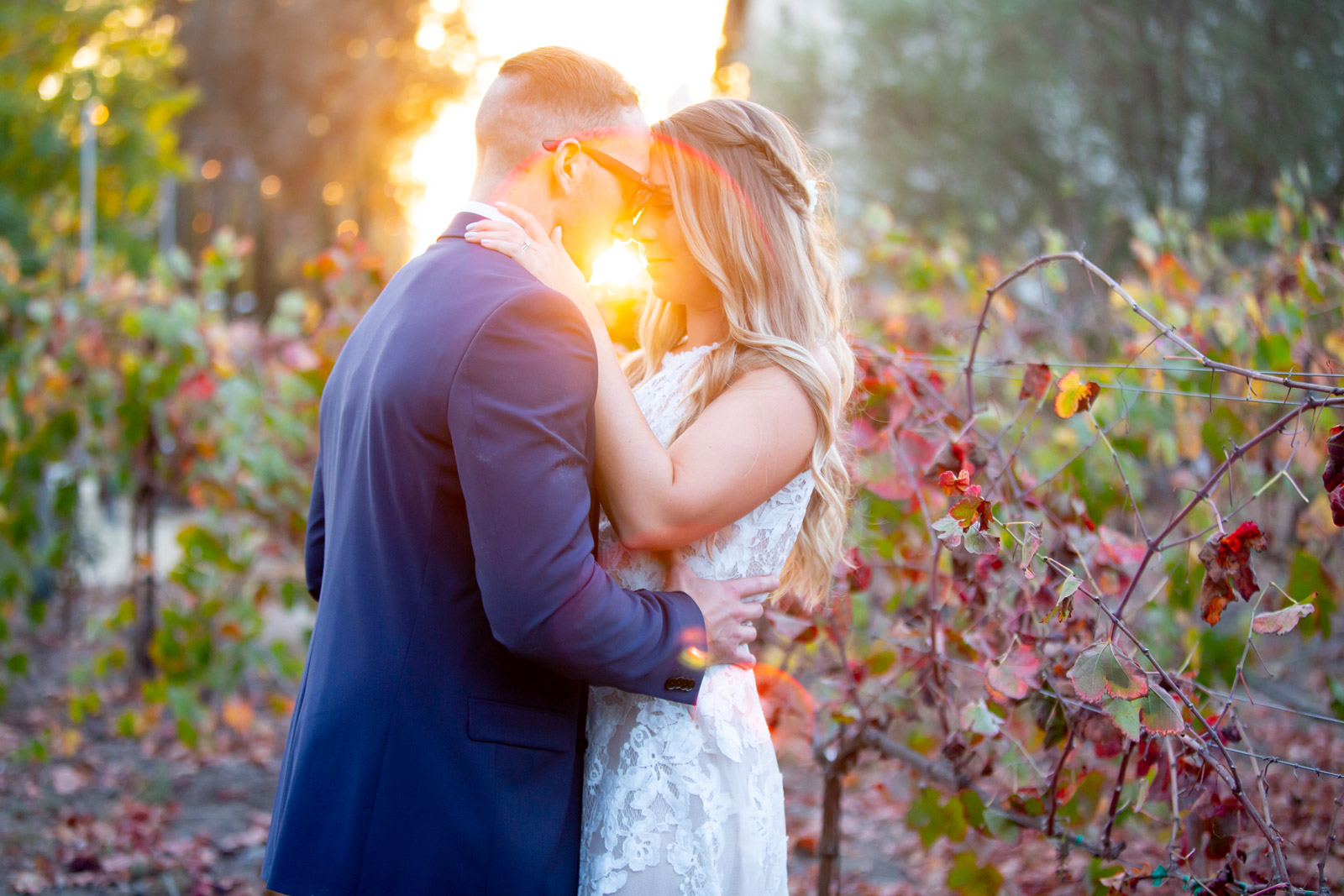
One of the first questions couples ask us is, “How many hours do we need?” It's a smart question. Your wedding day is full of meaningful moments, but not every celebration follows the same schedule.
Rather than choosing a number first, start with the moments you want to remember: getting ready, your first look, the ceremony, family portraits, toasts, the first dance and the energy of the reception.
Six hours: focused and intentional.
Six hours can work beautifully for a smaller wedding, a single-location celebration, or a day with a compact timeline. It's often enough to document the ceremony, portraits and the main reception moments when everything happens close together.
2:00 PM — Final getting-ready details and portraits
3:00 PM — First look and couple portraits
4:00 PM — Ceremony
4:45 PM — Family and wedding-party portraits
5:45 PM — Reception entrance and dinner
7:00 PM — Toasts and first dance
8:00 PM — Coverage ends
Best for: intimate weddings, one venue, minimal travel and couples who don't need the late-night party documented.
Eight hours: the flexible middle ground.
For many full wedding days, eight hours offers a comfortable balance. You can tell more of the story before the ceremony and stay long enough to capture the celebration after dinner, without rushing from one scene to the next.
1:00 PM — Getting-ready moments and details
2:30 PM — First look and wedding-party portraits
4:00 PM — Ceremony
4:45 PM — Family portraits and cocktail hour
6:00 PM — Reception entrance and dinner
7:00 PM — Toasts and first dance
8:00 PM — Open dancing and candid moments
9:00 PM — Coverage ends
Best for: traditional wedding timelines, getting-ready coverage and couples who want both emotional and celebratory moments documented.
Ten hours: the fuller story.
Ten hours makes sense when the day includes separate getting-ready locations, a longer ceremony-to-reception transition, cultural traditions or a packed reception schedule. It can also give you more breathing room for the unexpected.
12:00 PM — Getting ready and details
1:30 PM — Individual portraits and first look
3:00 PM — Wedding-party portraits and travel buffer
4:00 PM — Ceremony
5:00 PM — Family portraits and cocktail hour
6:30 PM — Reception and dinner
7:30 PM — Toasts, first dance and parent dances
9:00 PM — Open dancing and celebrations
10:00 PM — Coverage ends
Best for: multi-location weddings, longer celebrations and couples who want a more complete visual story.
Photography and film should share one timeline.
If you're booking both photography and cinematography, plan the day as one coordinated experience. A first look doesn't need to happen twice. Family portraits shouldn't be interrupted by competing directions. And the quiet moments deserve space to happen naturally.
When both teams understand the priorities and timing, couples spend less time posing and more time being present.
Three things to check before choosing.
- Travel: Are the ceremony and reception in different places? Add realistic transportation and parking time.
- Light: Plan couple portraits around the best available light, not just an open slot on the schedule.
- Must-have moments: Work backward from the last moment you want covered and forward from the first one.
So, which should you choose?
Choose six hours for a streamlined celebration, eight hours when you want more of the day's story, and ten hours when there are more moving pieces or moments you don't want to miss.
And if you're still unsure? That's normal. Tell us your ceremony time, locations and priorities. We'll help you choose coverage that fits your day rather than stretching your day to fit a package.