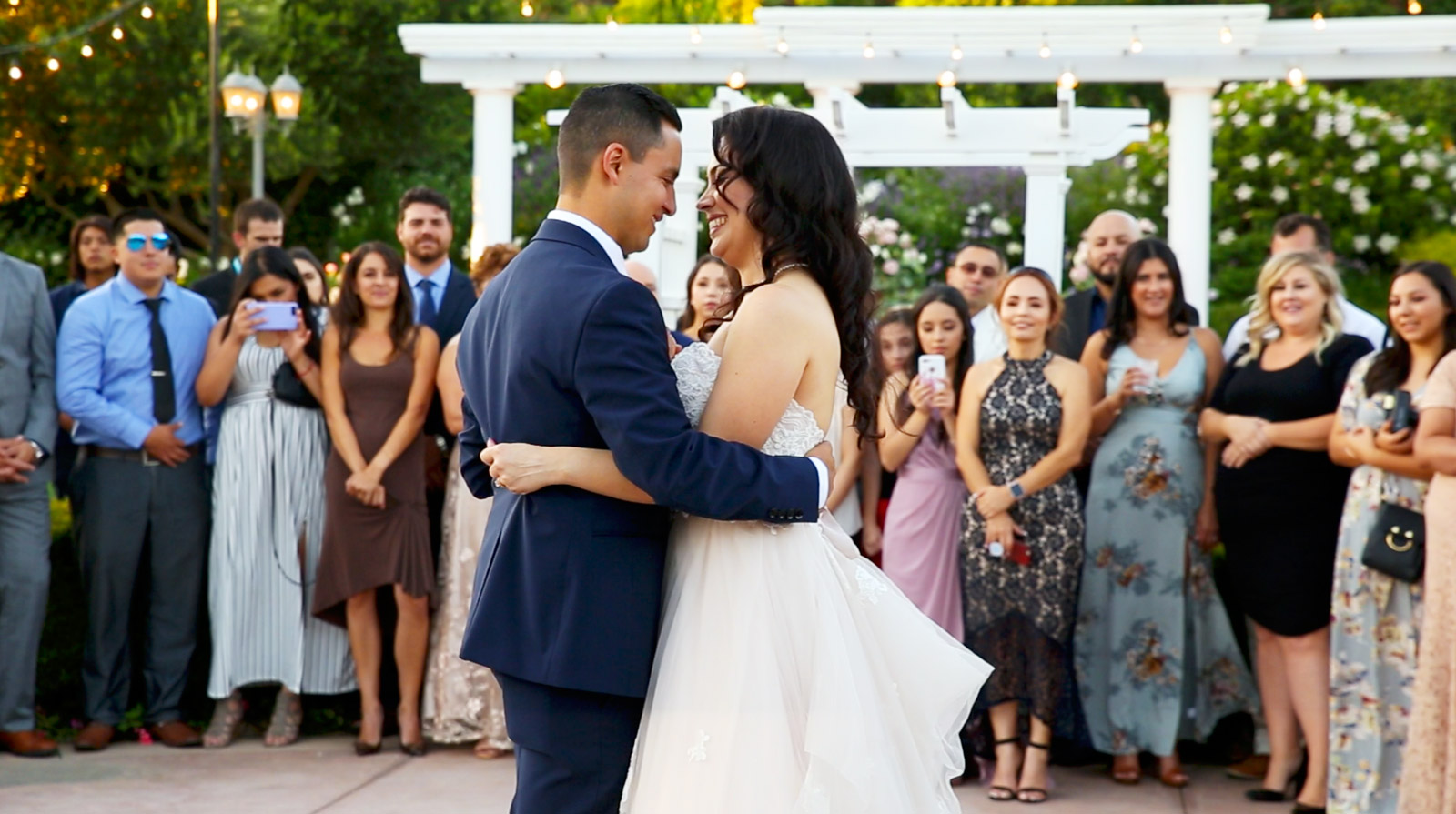
Your wedding is not a film set.
Your wedding day has a rhythm of its own. People arrive, emotions build, plans shift, and sometimes the best moments happen when nobody is directing anything.
Photography and film should preserve that feeling—not interrupt it. Having both doesn't mean repeating every moment for two cameras. It means planning thoughtfully so each medium can tell a different part of the same story.
One moment. Two ways to remember it.
A photograph can hold a look, a gesture or the light falling across a room. Film brings back movement, voices and the way a moment unfolded.
Think of your vows. A photograph might capture the expression on your partner's face. A film can preserve the words you said and the pause before the answer. Neither replaces the other, and neither should require a second performance.
Start with one shared timeline.
The simplest way to keep coverage relaxed is to give your photography and film teams the same schedule, locations and list of priorities before the wedding.
Include the ceremony start time, any first look, family portrait groupings, travel between venues and reception events. If there is a meaningful cultural tradition or a surprise planned, let both teams know privately in advance.
What a coordinated wedding day can look like.
A first look happens once. One team chooses a clear angle while the other works from a complementary position. Portraits happen in a single planned window, not two separate sessions. During the ceremony, both teams work discreetly without blocking guests—or each other.
At the reception, the teams anticipate speeches, entrances and dances together. You get to enjoy your people while the coverage happens around you.
Five ways to keep the day feeling like yours.
- Give yourselves a little buffer between major events. Ten extra minutes can be more valuable than another complicated shot list.
- Choose one point person for family portraits who knows the groupings and can gather people quickly.
- Build couple portraits around light and comfort. A short, intentional session can feel better than an extended series of poses.
- Tell your teams which moments matter most, but leave room for unexpected ones.
- Ask how the photographers and filmmakers coordinate on the day—especially if they are hired from different companies.
Do you need two separate teams?
Not necessarily. Some couples hire photography and cinematography from one studio; others choose separate specialists. Either approach can work well when responsibilities are clear.
The important questions are practical: Who leads portrait direction? Who records ceremony audio? How will everyone move during the vows? Who handles schedule changes? These details matter more than whether everyone has the same logo on their shirt.
The goal is to remember how it felt.
When coverage is thoughtfully planned, you don't spend the day wondering where to stand or which camera to look at. You can focus on getting married.
At J Merino Weddings, we approach photography and cinematography as complementary ways to preserve a celebration. Tell us about your day, your priorities and the moments you want to carry with you. We can help you think through a coverage plan that fits.